What Is Legionella, and Do You Need A Legionella Risk Assessment?

Content
Legionella is a type of bacteria that can develop in water systems if the conditions allow it to grow. In certain situations, the bacteria can spread through tiny airborne water droplets and potentially cause a serious lung infection known as Legionnaires’ disease.
For landlords and property managers, legionella is something that cannot simply be ignored. While the risk in most residential properties is often low, landlords still have a legal responsibility to assess and manage potential risks within their rental properties.
What Causes Legionella?
Legionella bacteria are more likely to grow in water systems where:
Water sits stagnant for long periods
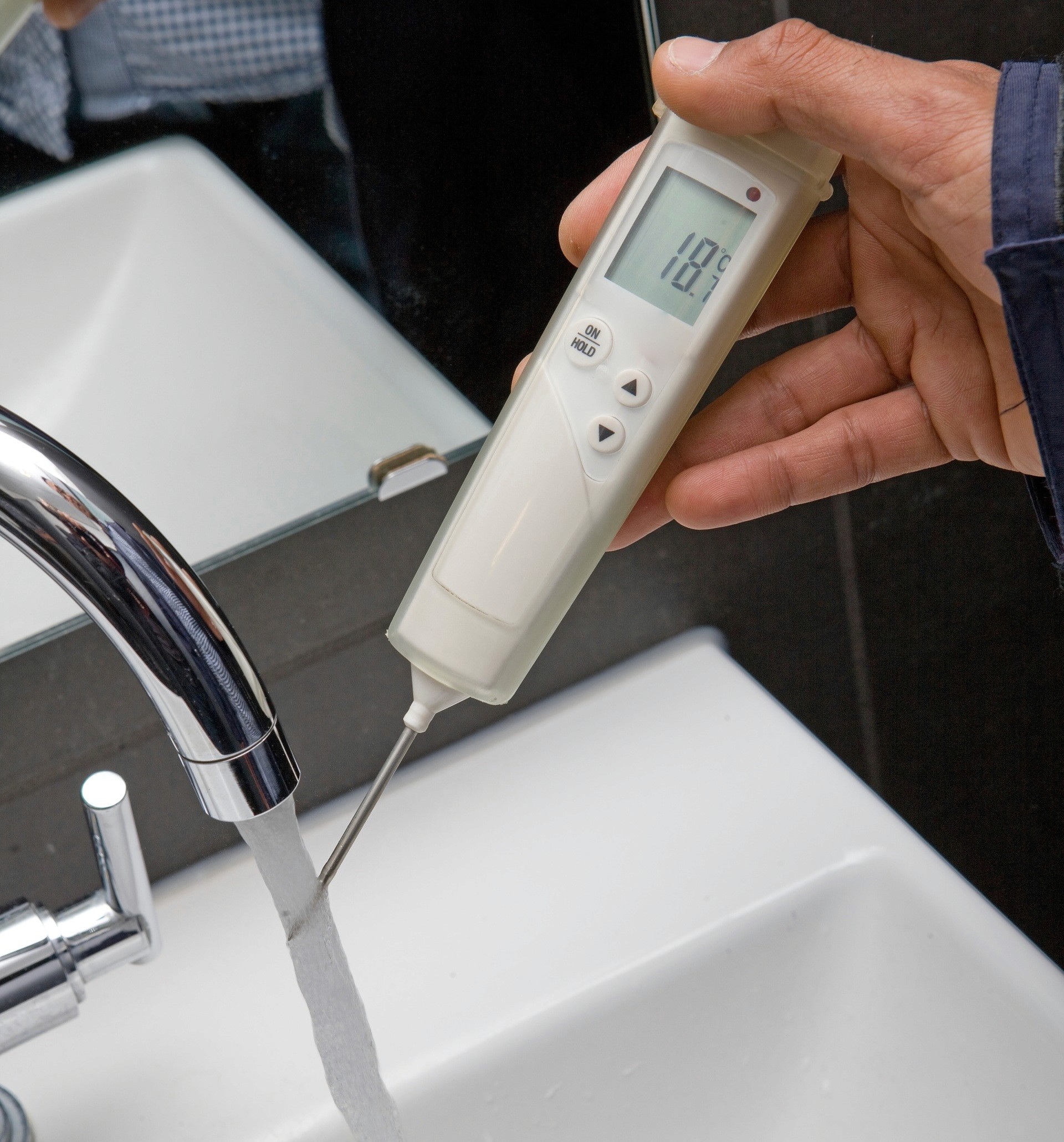
Water temperatures are between 20°C and 45°C
Pipework is old or rarely used
Water tanks are not properly maintained
There is a build-up, such as rust, sludge, or scale
The bacteria itself is not usually spread by drinking water. The greater risk comes from inhaling contaminated water droplets through showers, taps, or spray systems.
Do Landlords Need A Legionella Risk Assessment?
Yes, landlords are expected to assess the risk of legionella within their properties as part of their health and safety responsibilities.
This does not always mean expensive or highly complex testing is required. In many standard residential properties, the assessment process is relatively straightforward. However, landlords should still be able to demonstrate that risks have been considered and managed appropriately.
A Legionella risk assessment helps identify:
Potential problem areas within the water system
Conditions that may encourage bacterial growth
Recommended actions to reduce risk
Ongoing monitoring or maintenance requirements
For landlords managing multiple properties, keeping clear records of assessments can also help demonstrate compliance if issues ever arise.
Which Properties May Be Higher Risk?
Some properties may carry a higher risk than others, including:
Empty or rarely occupied properties
Larger buildings with complex water systems
HMOs
Older properties with outdated plumbing
Properties where water systems are not regularly used
Regular tenant turnover can also increase the importance of monitoring water systems properly.
Simplifying Property Compliance
Many landlords already juggle multiple compliance requirements, from gas safety certificates to EPCs and electrical inspections. Adding Legionella assessments to that list can feel overwhelming.
This is why many property owners choose bundled landlord compliance services that combine multiple inspections and certificates under one provider.
At My Inventory Clerk, we help landlords simplify property compliance with organised reporting, professional support, and efficient turnaround times across a range of landlord safety services.
If you need support with landlord compliance, you can also learn more about our Legionella Risk Assessment service.