What Landlord Certificates Do You Need in 2026?

Content

Being a landlord involves far more than collecting rent and maintaining a property. Numerous legal responsibilities must be met to protect tenants and ensure a rental property remains compliant with current regulations.
Whether you're renting out your first property or managing a growing portfolio, understanding which landlord certificates and inspections are required can help you avoid costly mistakes, delays, and potential legal issues.
Here's a practical guide to the key landlord certificates and compliance checks you may need in 2026.
Gas Safety Certificate (CP12)
One of the most well-known landlord obligations is the annual gas safety check.
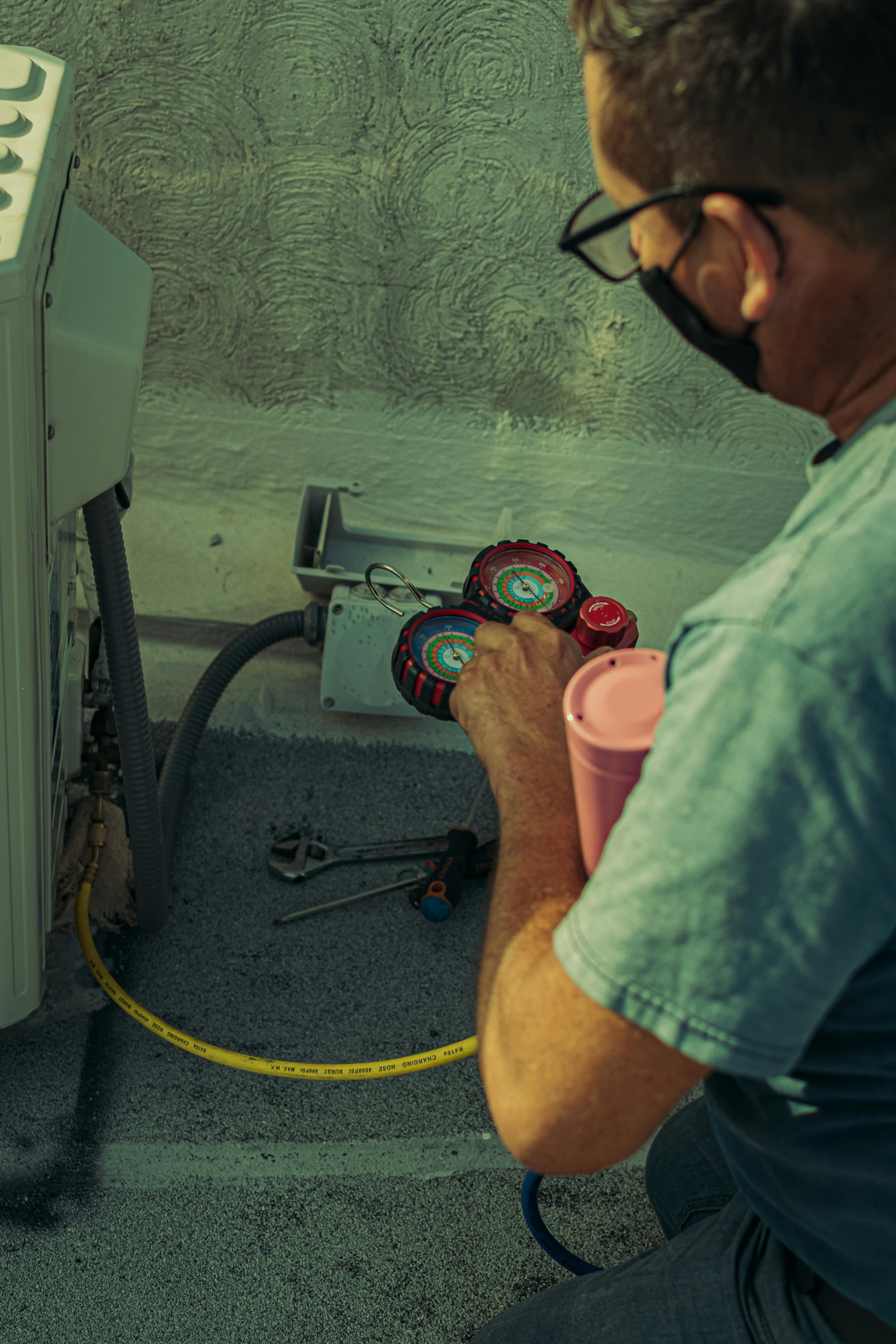
If your property contains gas appliances, fittings, or flues, they must be inspected every 12 months by a Gas Safe registered engineer. Once the inspection is complete, a Gas Safety Certificate (CP12) is issued.
The certificate confirms that the appliances have been checked and are considered safe at the time of inspection.
Failing to maintain a valid gas safety certificate can lead to significant legal consequences and, more importantly, put tenant safety at risk.
Electrical Installation Condition Report (EICR)
Landlords are required to ensure electrical installations within their rental properties are safe throughout the tenancy.
An Electrical Installation Condition Report (EICR) assesses the condition of fixed electrical systems, including wiring, sockets, consumer units, and fuse boards.
The inspection identifies any faults, deterioration, or safety concerns that may require attention.
Regular EICR inspections help protect tenants while providing landlords with documented evidence that reasonable steps have been taken to maintain electrical safety.
Energy Performance Certificate (EPC)
Most rental properties require a valid Energy Performance Certificate before they can be marketed to prospective tenants.
An EPC measures the energy efficiency of a property and provides a rating between A and G.
The report also includes recommendations that may help improve energy performance and reduce running costs.
For landlords, an EPC is often one of the first documents required when preparing a property for a new tenancy.
Fire Safety Compliance
While there is no single "fire safety certificate" that applies to every rental property, landlords still have important fire safety responsibilities.
Depending on the property, this may include:
Smoke alarm installation and testing
Carbon monoxide alarms
Fire door compliance
Emergency escape routes
Fire risk assessments in certain buildings
Regular fire safety reviews help identify potential issues before they become serious risks.
PAT Testing
Portable Appliance Testing (PAT) focuses on electrical appliances supplied by the landlord.
Examples include:
Kettles
Microwaves
Toasters
Lamps
Extension leads
Portable heaters
Although PAT testing is not always a legal requirement, it is widely considered good practice and can help demonstrate that reasonable steps have been taken to ensure appliance safety.
PAT testing is particularly useful for furnished rental properties.
Legionella Risk Assessment
Many landlords are surprised to learn that they have responsibilities relating to Legionella bacteria.
Legionella can develop within certain water systems if conditions allow bacteria to grow and spread.
Landlords are expected to assess and manage the risk of Legionella within their properties. In most residential properties, the risk is relatively low, but landlords should still be able to demonstrate that an assessment has been carried out and appropriate control measures have been considered.
Property Inventories And Check-In Reports
While inventories are not legal certificates, they are one of the most valuable documents a landlord can have.
A professional inventory records the condition and contents of a property at the start of a tenancy, providing evidence should a dispute arise later.
Many landlords also arrange:
Check-in reports
Check-out reports
Mid-term inspections
Schedule of condition reports
These services help protect both landlords and tenants by creating a clear record throughout the tenancy lifecycle.
Keeping Compliance Simple
One of the biggest challenges landlords face is keeping track of multiple certificates, inspections, and renewal dates throughout the year.
Rather than arranging each service separately, many landlords choose compliance packages that combine multiple inspections into a single, organised solution.
This can help reduce administration, simplify reporting, and ensure important certificates don't expire unexpectedly.
Need Help Managing Landlord Compliance?
At My Inventory Clerk, we help landlords, letting agents, and property managers stay on top of their compliance obligations with professional reporting, organised scheduling, and a range of property management services.
From gas safety certificates in Sutton and EPCs certificates in Clapham to inventories and legionella risk assessments, our team can help make landlord compliance simpler and easier to manage throughout 2026 and beyond.